
Where Paris Luxury Intersects With Tennis Tradition
The Casablanca Paris brand was built around the belief that the most sophisticated experiences in athletics occur not on the court but in the surrounding spaces—the lounge, the locker room and the post-match dinner. Creative director Charaf Tajer drew upon his own experiences splitting time between Parisian cultural scene and Moroccan sunshine to create a brand that treats tennis as a visual and lifestyle world rather than a athletic discipline. Starting with its 2018 debut, Casablanca Paris forged a bond with tennis culture through silk shirts adorned with tennis rackets, nets and rich vegetation. This was not sportswear; it was a dream of the tennis life reimagined through high-end textiles and artful illustration. By grounding the brand in tennis heritage, Tajer connected with a deep legacy of elegance: picture the white flannels of 1930s players, the colourful awnings of Roland-Garros and the social scene that envelops Grand Slam competitions. In 2026, this tennis DNA serves as the emotional backbone of every Casablanca Paris season, even as the house develops tailoring, outerwear and add-ons that go far beyond the court.
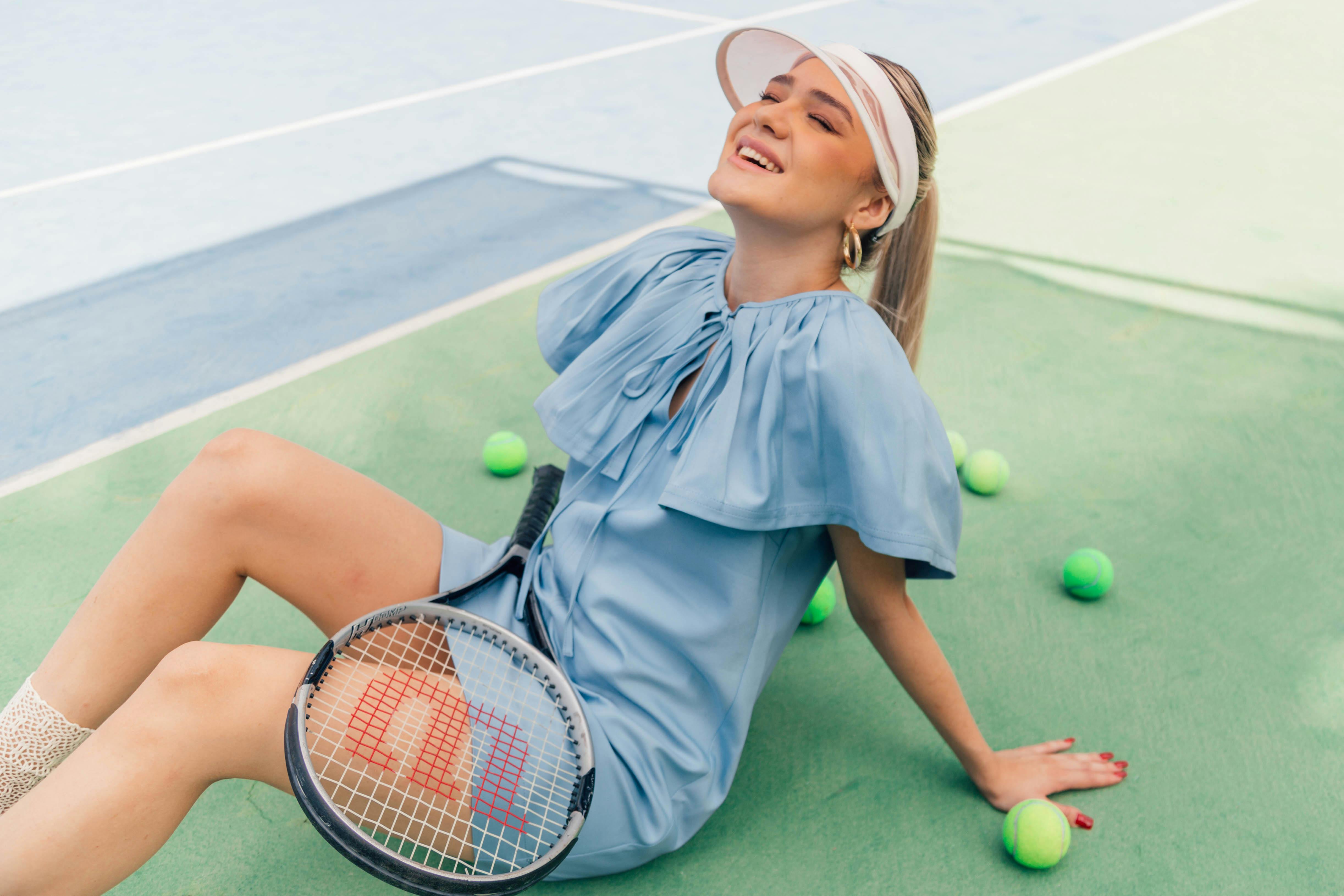
The Tennis Visual Identity in Casablanca Paris Lines
Tennis gives Casablanca Paris with a ready-made aesthetic toolkit that is both defined and universally appealing. Clay-court reds, grass-court greens, net-white stripes and sun-yellow details permeate seasonal palettes, imparting each season a dynamic energy. Artworks depict matches, fans, cups and Mediterranean courts executed in a hand-painted, slightly wistful style that steers clear of straightforward sportswear territory. Logo crests adopt the club-crest format of fictional tennis clubs, evoking a perception of community and prestige without alluding to any actual institution. Knitwear typically showcases cable-knit or woven patterns reminiscent of old-school tennis pullovers, while buttoned collars and polo designs casablanca t shirt official website echo game-day attire. Terry cloth—a textile known for courtside towels and sweatbands—appears in shorts, robes and casual tops, deepening the physical link with athletics. Even accessories like caps, visors and wristbands bear the Casablanca Paris crest, elevating functional items into desirable identity tokens. This multi-faceted strategy ensures that the tennis reference appears natural and progressing rather than tired, sustaining fans interested across successive seasons in 2026 and beyond. A branded cap or textile belt can additionally strengthen the tennis vibe without overwhelming the overall look.
Standout Tennis-Inspired Pieces Across Seasons
| Garment | Tennis Inspiration | Common Fabric | Price Range (2026) |
|---|---|---|---|
| Silk illustrated shirt | Courtside observer | Mulberry silk | $700–$1 200 |
| Terry shorts | Club changing room | Cotton terry | $350–$500 |
| Knit polo | Game-day uniform | Merino / cotton blend | $400–$650 |
| Track jacket | Warm-up layer | Satin / tricot | $600–$900 |
| Logo cap | Sun coverage on court | Cotton twill | $150–$250 |
| Crest-embroidered sweatshirt | Club affiliation | Dense fleece | $450–$700 |
Why Tennis Heritage Appeals to Luxury Buyers
Tennis has long been associated with prosperity, privilege and social elegance, making it a natural match for designer fashion. Country clubs, exclusive courts and elite tournaments create settings where aesthetics, manners and design sensibility come together. Unlike aggressive sports that highlight power, tennis celebrates poise, skill and self-expression—qualities that correspond to the values of high-end clothing brands. Casablanca Paris harnesses this cultural capital by delivering clothes that conjure an dreamed-up portrait of the tennis world: endlessly sunny, always convivial, always beautifully styled. This captivating picture appeals to consumers who may never play professional tennis but who enjoy the culture it embodies. In 2026, as wellness and sport more and more intersect with fashion, the tennis reference reads as even more appropriate. Events like Wimbledon, the US Open and Roland-Garros keep on generate celebrity interest and press attention, underscoring the bond between tennis and elegance. Casablanca Paris benefits from this environment by establishing itself as the wardrobe for individuals who desire to look like they belong at the most exclusive clubs in the world, whether they carry a racket or not.
How Casablanca Paris Sets Itself Apart From Other Tennis-Inspired Brands
A number of fashion brands have incorporated tennis aesthetics over the years, from Ralph Lauren’s Wimbledon collections to Lacoste’s legacy range and Nike’s fashion-forward athletic ranges. What makes Casablanca Paris distinct is the depth of its focus on the aesthetic and its refusal to make performance sportswear. While other brands may release a capsule collection themed around tennis every few seasons, Casablanca Paris builds its entire identity around the sport. Every collection contains garments that could conceivably be found in a imaginary tennis club from the 1970s, updated with modern colours, prints and proportions. The brand never manufactures genuine performance tennis gear—there are no moisture-wicking fabrics, no professional shoes—which maintains the attention on lifestyle and culture rather than utility. This separation is crucial because it situates Casablanca Paris alongside fashion houses rather than athletic brands, underpinning steeper retail prices and more sophisticated creative output. In 2026, competitors continue to launch occasional tennis-themed capsules, but none have integrated the narrative as thoroughly into their DNA as Casablanca Paris, affording the label a creative upper hand that is hard to replicate.
Incorporating Casablanca Paris With a Tennis Energy in 2026
To integrate the Casablanca Paris tennis spirit into everyday ensembles, anchor with one statement piece that has an unmistakable athletic connection—a patterned silk shirt, a terry short, or a knit polo—and assemble the rest of the outfit around it with simple pieces. For men, combining a silk shirt with refined cream trousers and suede loafers delivers a sophisticated evening or resort look that recalls the after-match social scene. For women, pairing a Casablanca polo tucked into a flowing midi skirt with flat sandals produces a athletic-elegant ensemble suitable for daytime dining and museum outings. Layering is also powerful: layer a track jacket over a clean T-shirt and jeans to bring a pop of vibrancy and courtside energy without resorting to full theme. During colder seasons, a knit or sweatshirt with a understated tennis crest can sit under a trench or blazer, bringing warmth and individuality to a smart casual ensemble. The core idea is balance—let the Casablanca Paris item do the talking while the rest of the look delivers a calm foundation. This balance ensures the tennis motif sophisticated rather than over-the-top.
The Cultural Significance and Outlook of Casablanca Paris Tennis Fashion
Beyond garments, Casablanca Paris has been part of a more expansive cultural moment in which tennis is reinterpreted as a aesthetic marker for a fresh, more inclusive audience. Social media initiatives highlighting athletes, creatives and musicians dressed in the brand have widened the reach of tennis aesthetics beyond conventional private-club demographics. Pop-up events at major tournaments, special editions coinciding with Grand Slams and partnerships with tennis federations keep the label creatively visible in tennis settings. In 2026, the reach of Casablanca Paris is visible not only in its own commercial success but in the overall fashion world’s renewed fascination with courtside dressing and leisure sport. Other high-end labels have started weaving in tennis motifs, pleated skirts and terry materials into their ranges, a trend that can be connected in part to the blueprint Casablanca Paris set. For consumers, this results in more possibilities and more appreciation of tennis-inspired fashion in everyday life. For the brand itself, the mission is to push boundaries within its signature space so that it continues to be the leading voice of premium tennis style rather than one of many. Given Charaf Tajer’s deep personal attachment to the theme and the house’s history of deliberate progression, Casablanca Paris seems destined to keep that place for years to come. For more on the convergence of tennis and fashion, see coverage at Vogue and Highsnobiety.